Nighttime skincare has consistently been acknowledged as the crucial opportunity for skin repair, with evening routines recognized as the most essential aspect of daily beauty care. Numerous individuals design complex nighttime rituals featuring high-quality toners, treatment serums, active essences, and luxurious moisturizers, yet they often experience little to no improvement in their skin and occasionally face unexpected irritations. This common issue arises from improper product layering sequences, a subtle flaw in routines that is seldom pointed out in popular beauty tutorials yet undermines the investment in premium skincare.
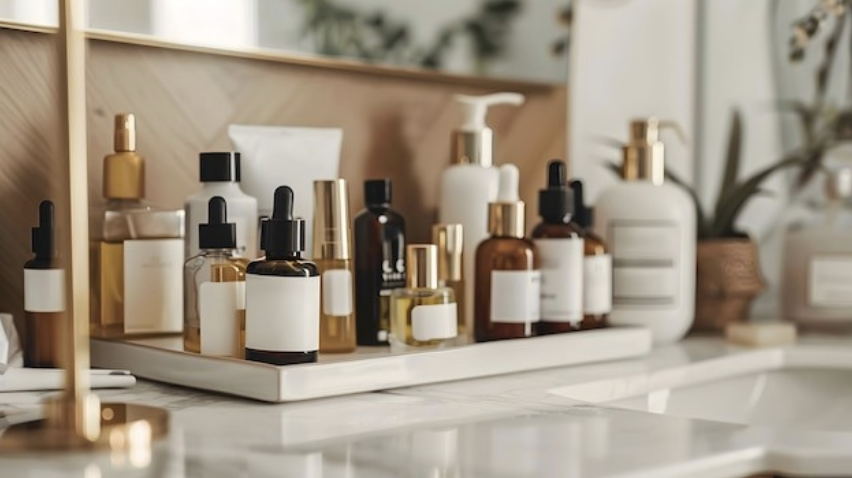
Traditional guidance on layering typically adheres to a basic rule of applying products from thin to thick textures, a guideline that does not account for the complexities of contemporary active skincare formulations. Modern high-end nighttime products include a range of functional ingredients, from exfoliating acids and peptide mixtures to concentrated antioxidants, all of which have vastly different rates of molecular absorption and metabolic actions. Rigidly adhering to a texture-based application method can disrupt the hierarchy of ingredient absorption, causing potent treatment actives to be obstructed by heavier, surface-level products. The consequence is a loss of product efficacy and a buildup of subpar dermal compounds beneath the skin's surface.
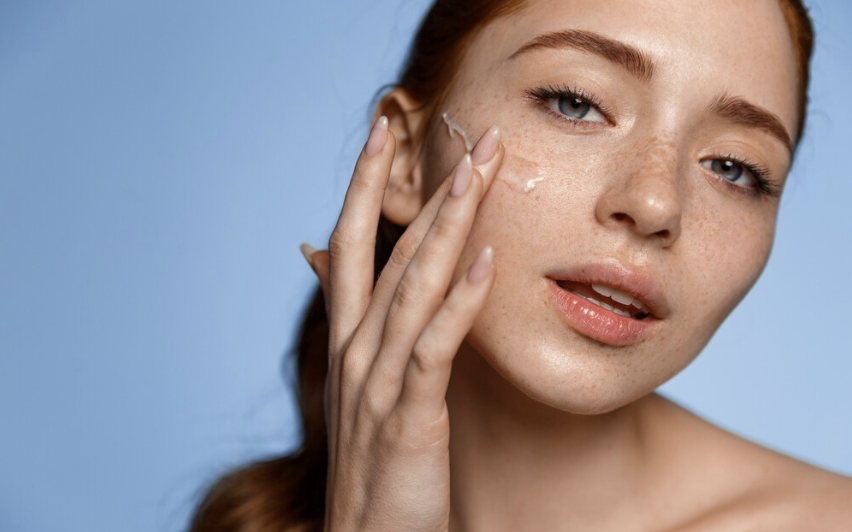
A significant contradiction within the industry perpetuates this prevalent mistake. Most cosmetic brands create usage instructions based on the effectiveness of individual items rather than the logic of stacking multiple products for better results. Official tutorials tend to focus on promoting the performance of single products while neglecting the chemical and physical interactions that come from incorrect sequencing. This fragmented marketing approach creates a significant knowledge gap, leaving those establishing their routines unaware that common layering practices can hinder nighttime repair and lead to hidden skin stress.
The concealed dangers extend far beyond the lack of effective absorption, resulting in significant secondary physiological effects on the skin's long-term health. Incorrect sequencing of actives and moisturizers can trap potent ingredients in upper skin layers, prolonging local stimulation of the epidermis throughout the natural nighttime repair process. Continuous mild irritation can interfere with the body's natural skin regeneration cycles, gradually diminishing the skin’s barrier function and promoting chronic underlying inflammation. With repeated application over months, this seemingly minor flaw in routine can lead to persistent dullness, delicate skin texture, and regular occurrences of redness.
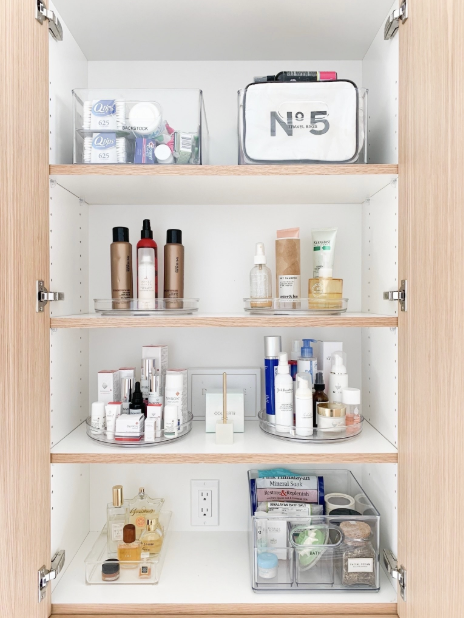
Behavioral side effects also create an expensive cycle in skincare. Stagnant skin resulting from sequencing mistakes often results in a constant need to replace products and upgrade formulas, as those developing their routines may mistakenly attribute unsatisfactory results to the quality of products rather than errors in application order. This behavior leads to unnecessary purchases of high-end skincare while failing to tackle fundamental issues, increasing long-term beauty costs and leaving the skin in a state of constant adjustment.
Advanced luxury nighttime skincare emphasizes the priority of ingredient penetration and synergistic effects over merely layering by texture. Thoughtfully arranged layering sequences pay attention to the skin’s nighttime repair processes, enabling targeted actives to reach their ideal dermal layers without being impeded by barriers or causing over-stimulation. This refined approach to routines enhances the inherent benefits of premium skincare products, facilitating consistent, long-lasting skin rejuvenation that standard, conventional layering methods fail to provide.
