For affluent individuals, focusing on well-being frequently entails going beyond standard guidelines. In the context of prostate health, it involves transcending typical suggestions like "increase your water intake" and delving into sophisticated, research-supported approaches that fit a refined lifestyle.
The complex relationship between gut wellness and prostate functionality is rarely addressed. A varied microbiome plays a critical role in managing inflammation, which is a significant factor in prostate problems. Rather than opting for conventional probiotic pills, consider engaging in personalized microbiome analyses. Customized prebiotic mixtures, derived from organic and non-GMO sources such as Jerusalem artichoke and chicory root, can benefit the beneficial bacteria unique to your gut, indirectly promoting prostate health.
The Unseen Effects of Stress Management
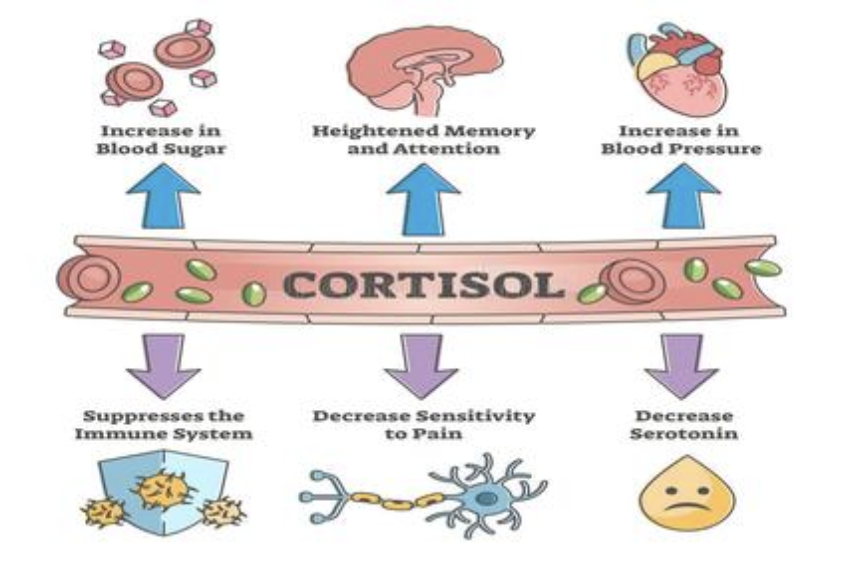
Ongoing stress, prevalent among high achievers, raises cortisol levels, potentially disturbing the balance of hormones linked to the prostate. In addition to meditation, look into biofeedback therapy—an innovative approach that utilizes real-time information to help you control your stress reactions. Numerous high-end wellness facilities now provide customized biofeedback sessions, integrating state-of-the-art technology with holistic methods for focused stress alleviation.
Nutrition: Prioritizing Quality
Disregard the basic "increase vegetable intake" recommendations. Concentrate on options that are rich in nutrients and easily absorbed. Grass-fed beef liver, abundant in active vitamin A, is beneficial for prostate cell function. Wild-caught Alaskan salmon, which is high in omega-3 fatty acids and has limited heavy metal contamination, helps lessen oxidative damage. Complement these foods with organic cruciferous vegetables such as broccolini, which contains sulforaphane—a compound that is better absorbed when lightly steamed rather than overcooked.
Fitness: Intelligent Exercise Choices
High-intensity exercises like long-distance running may put unnecessary strain on the pelvic region, impacting blood circulation to the prostate. Choose lower-impact, higher-intensity workouts such as Pilates or swimming, which can enhance core and pelvic muscle strength without applying extreme stress. Many upscale fitness venues provide private Pilates classes with instructors specialized in men’s pelvic health, ensuring correct technique and focused outcomes.

Standard PSA screenings have their drawbacks. Consider pairing them with a 4Kscore assessment, which evaluates four specific prostate biomarkers for improved risk analysis. Certain medical clinics also provide multiparametric MRI, a non-invasive imaging method that offers in-depth insights into the prostate, enabling earlier detection of any irregularities compared to conventional techniques. These advanced screening methods grant reassurance for those dedicated to proactive health management.
Sleep: The Often Overlooked Supporter
Quality, restorative sleep is vital for hormone balance, particularly testosterone. Invest in a premium mattress designed for proper spinal support, along with a sleep monitoring device that tracks REM and deep sleep phases. A number of luxury accommodations and home wellness solutions now feature sleep optimization technology, including temperature-controlled bedding and ambient light therapies, assisting you in achieving the 7-8 hours of restorative sleep essential for prostate health.

Maintaining prostate health is an ongoing commitment that warrants as much meticulous attention as your professional life or personal ambitions. By adopting these sophisticated, tailored approaches, you are not merely averting potential issues—you are enhancing your overall health.
