For individuals excelling in their fields, maintaining good health is paramount—it serves as the driving force behind ongoing achievement. Those who excel don’t just follow common wellness advice; they implement specific, research-informed techniques that enhance their energy, concentration, and mental strength. These practices form the unique health management strategies that enable top-tier individuals to function at their highest potential.

Circadian Alignment: Beyond Sleep Hygiene
It’s not merely about obtaining 7 to 8 hours of rest—it involves aligning every action throughout the day with your body's natural rhythms. High-achievers utilize light therapy tools shortly after waking to lower melatonin levels and increase cortisol, enhancing focus. They steer clear of blue light from screens in the two hours leading up to bedtime but choose amber-hued glasses for evening tasks. Meal timing is also optimized: protein-rich breakfasts initiate metabolism, while lighter dinners before 7 PM enhance overnight cellular repair, improving cognitive performance the following day.
Cognitive Resilience: Nutrients for Brain Endurance
Cognitive fog hampers performance, so top professionals address it through precise nutritional choices. Supplements containing lion’s mane mushrooms, standardized for 30% hericenones, encourage the production of nerve growth factor (NGF), thus enhancing memory and concentration. They add MCT oil to their morning beverages—converted into ketones, this provides a consistent energy source for the brain, preventing the crash associated with carbohydrates. Combining dark chocolate (85% cacao or more) with walnuts offers flavanols and omega-3 fatty acids, helping to decrease inflammation that can disrupt decision-making.

Functional Movement: Strength for Real-Life Demands
Conventional gym workouts are substituted with functional exercises that reflect everyday demands. Kettlebell swings enhance posterior chain strength, crucial for long hours at a desk, while single-leg deadlifts enhance balance—essential for maintaining alertness during back-to-back engagements. High-achievers also incorporate "micro-movements" throughout the day: squats at a standing desk every hour, opting for stairs instead of elevators, and shoulder stretches during conference calls. This approach upholds mobility without detracting from work responsibilities.
Hydration Precision: More Than Water Intake
Dehydration can diminish cognitive capabilities by 10%, so elite performers hydrate with purpose. Instead of just drinking plain water, they utilize electrolyte powders containing sodium, potassium, and magnesium—tailored to their activity level and environmental conditions. Upon waking, they consume a glass of mineral-rich water (such as Gerolsteiner) with lemon to compensate for overnight hydration loss, while limiting caffeine after 2 PM to prevent energy dips linked to dehydration. Some individuals even equip themselves with hydration-monitoring devices that notify them when their fluid intake falls below ideal levels.
Recovery Optimization: Active Rest Protocols
For those excelling in their fields, rest is not a passive endeavor. They organize “active recovery” days: engaging in yoga Nidra for profound relaxation, using vibrating foam rollers to ease myofascial tension, and taking leisurely walks in nature to reduce cortisol levels. Targeted massage therapy is also part of their routine—sports massages aid in muscle recovery, while craniosacral therapy fosters mental clarity. They also emphasize social recovery: enjoying weekly dinners with friends who don’t share their work environment, as positive social engagements elevate oxytocin, alleviating stress and enhancing sleep quality.
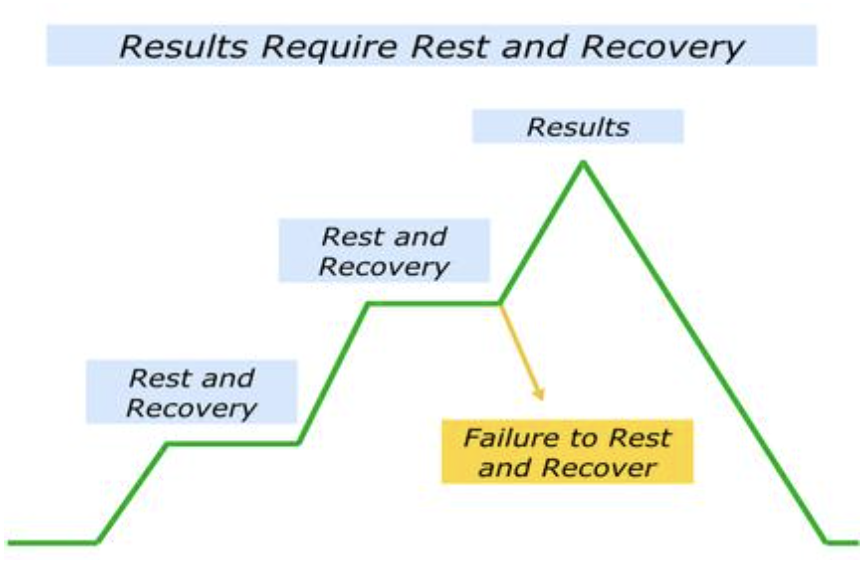
These insights are not aimed at achieving perfection but rather focus on intentional choices. For those at the top of their game, health management is a calculated investment that yields benefits in productivity, creativity, and longevity. By implementing these focused strategies, they not only endure the pressures of success but also excel, preserving their competitive advantage over the long term.
