For individuals with significant purchasing power, age is no longer simply a figure on a celebratory cake. Metabolic age—representing your body's physiological "true age" determined by cell functionality and health indicators—gives a much clearer representation of wellness than chronological age. Focusing on understanding and enhancing it is not merely about resisting aging; it revolves around achieving long-lasting optimal performance.
In contrast to chronological age, metabolic age is flexible—it is influenced by nourishing diets, regular physical activity, and deliberate recovery practices that wealthier people are starting to emphasize more. It acts as a concrete measure of how personal lifestyle decisions impact overall health, transforming ambiguous "anti-aging" aspirations into practical measures for lasting vitality and endurance.
What Metabolic Age Actually Measures
In contrast to actual years lived, metabolic age consolidates information such as resting metabolic rate, body composition (the ratio of lean mass to visceral fat), variability in blood glucose levels, and the efficiency of mitochondria. Standard scales fall short—premium clinics now provide DEXA scans combined with metabolic chamber assessments to measure these factors accurately, furnishing a detailed baseline that surpasses BMI or waist size.
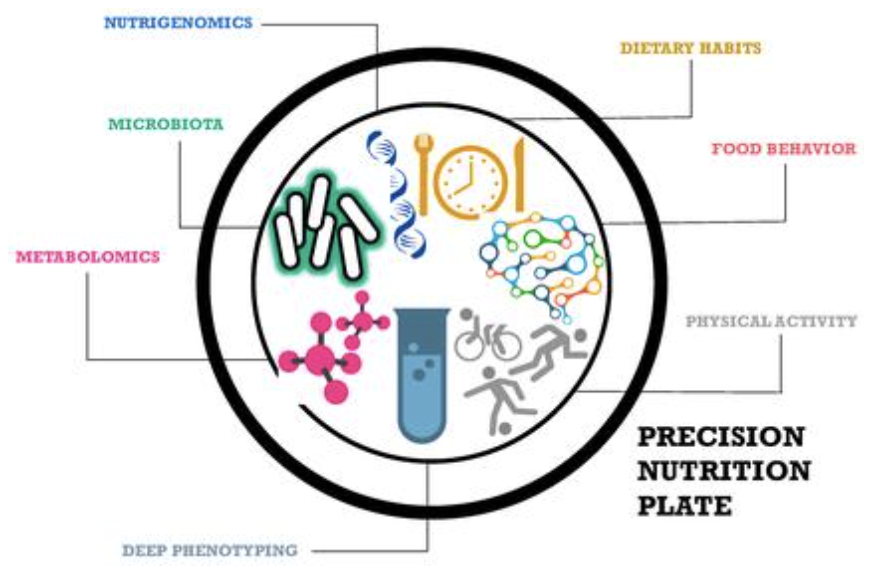
Disregard universal diets. Metabolic evaluations show how your body handles macronutrients. For instance, a younger metabolic age is often linked to individualized protein intake timing—such as consuming either grass-fed whey or plant-derived pea protein shortly after morning activities to trigger muscle protein generation. Upscale meal delivery options now feature menus designed with metabolic considerations, utilizing organic, locally sourced items tailored to your individual nutritional requirements.
Exercise: Quality Over Quantity
Engaging in excessive cardio can increase metabolic age due to putting stress on the body. Instead, select high-intensity interval training (HIIT) alongside functional movement coaching—accessible at high-end fitness centers. These classes, conducted by trainers specialized in metabolic conditioning, emphasize brief, intense efforts to enhance mitochondrial density, the cellular powerhouse that directly influences metabolic age.

Stress: The Silent Metabolic Accelerator
Persistent stress elevates cortisol levels, which impairs insulin sensitivity and contributes to increased visceral fat—significant factors in a higher metabolic age. In addition to meditation, explore heart rate variability (HRV) training found at luxury wellness retreats. This technology-based approach employs biofeedback tools to help you manage your nervous system, reducing stress hormones and boosting metabolic resilience.
Inadequate sleep hinders the production of leptin and ghrelin, hormones vital for regulating hunger and metabolism. Consider investing in a smart mattress that tracks sleep patterns and adjusts temperature or booking a stay at a sleep optimization center. These establishments provide individualized sleep strategies, incorporating light therapy and melatonin-free supplements, to ensure you receive 7-9 hours of restorative sleep that combats metabolic aging.
Supplements: Targeted, Not Generic
Steer clear of generic multivitamins. Metabolic assessments can pinpoint deficiencies such as CoQ10, which aids mitochondrial function, or magnesium glycinate, which helps control glucose metabolism. High-end supplement companies create tailored formulations, utilizing pharmaceutical-quality components to fill your specific nutritional gaps, as opposed to a one-size-fits-all solution.

Your metabolic age is a dynamic measurement—one that adapts to deliberate, personalized efforts concerning your health. For those who pursue excellence, enhancing it is not merely an option; it serves as the premier indicator of a life well lived.
