For individuals thriving in an environment overflowing with success—abundant jobs, carefully curated social circles, and comfortable lifestyles—concealed sadness frequently dwells deep down, concealed by accomplishments. In contrast to more obvious signs, it appears in nuanced, easily overlooked forms that fit the expectations of “high-functioning” individuals. Identifying these understated indicators is the initial move toward valuing your mental health just as much as your career and personal aspirations.

These subtle indications might encompass ongoing fatigue that remains even with sufficient sleep, a slow disengagement from activities that were previously pleasurable, or a muted feeling of void concealed by an unyielding ambition to succeed. Even slight changes—such as experiencing emotional dullness toward life’s peaks and valleys, or taking on too many responsibilities to escape periods of quiet—can indicate a hidden discrepancy between outward accomplishments and inner health.
Perfectionism as a Defense Mechanism
Extreme perfectionism does not solely represent ambition—it can serve as a protective barrier. If every single task must be done impeccably and not succeeding feels disastrous, this behavior might originate from a desire to divert attention from internal voids. You might overexert yourself to fill this emptiness or obsess over minor errors to avoid addressing unexpressed grief. This isn’t merely driving ambition; rather, it’s a loop of self-condemnation that conceals emotional distress.
Emotional Shutdown, Not Sadness
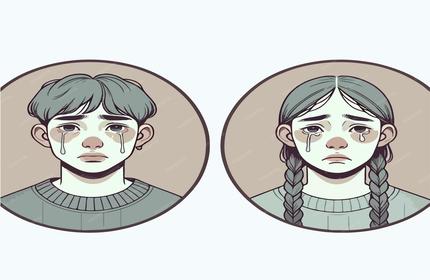
Concealed sadness seldom presents as tears. Instead, you experience a sense of emotional flatness—unresponsive to previously enjoyed activities, apathetic towards social engagements, and numb to both happiness and distress. You might engage in the motions of an extravagant holiday or an elegant meal without authentic pleasure, trivializing it as “just a phase” rather than acknowledging it as an indication that your mind is shielding itself from being overwhelmed.
Physical Ailments That Puzzle Physicians
Persistent migraines, unexplained tiredness, or ongoing digestive problems that resist diagnosis? These bodily issues often reflect underlying depression. Stress-related hormones interfere with physical processes, and when emotional turmoil remains unaddressed, it manifests as bodily pain. Individuals with high financial resources may pursue numerous medical experts, overlooking the emotional origins of their ailments.
Escape Through Excessive Independence
Denying assistance—even when feeling overwhelmed—can signal a problem. You might turn down help for work-related tasks, dismiss worries expressed by friends or family, or withdraw under the pretense of being “productive.” This extreme self-reliance is not a sign of strength; rather, it stems from anxiety—anxiety about appearing vulnerable or about imposing feelings you cannot articulate onto others.

Numbing Through Material Excess
This behavior goes beyond mere overspending—it involves using luxury items to escape. You may treat yourself to high-end fashion, exquisite wines, or impromptu getaways in pursuit of a temporary thrill that dissipates swiftly. These actions are not genuine rewards; they are efforts to bridge an emotional gap. The ongoing cycle of acquisition followed by dissatisfaction quietly signals a plea for assistance that you have yet to express.
Becoming aware of hidden depression calls for courage—a trait often underestimated in successful environments. Seek out a reliable therapist (preferably one experienced in assisting professionals) or participate in a discreet support group. It is essential to understand that your value is independent of your output or perfection. Revealing this hurt is not a setback; it is the highest form of self-care, leading to a life that deserves authentic satisfaction rather than superficial achievements.
