Those who choose to spend on high-end health products frequently emphasize low-calorie tags, believing these to be a simple way to achieve a slimmer physique. However, numerous so-called "diet-friendly" selections are cleverly designed to sabotage weight loss—hampering metabolism, intensifying cravings, or upsetting nutrient equilibrium. The core reality exists beyond caloric numbers, centered on the way these food items engage with the body's inherent functions.
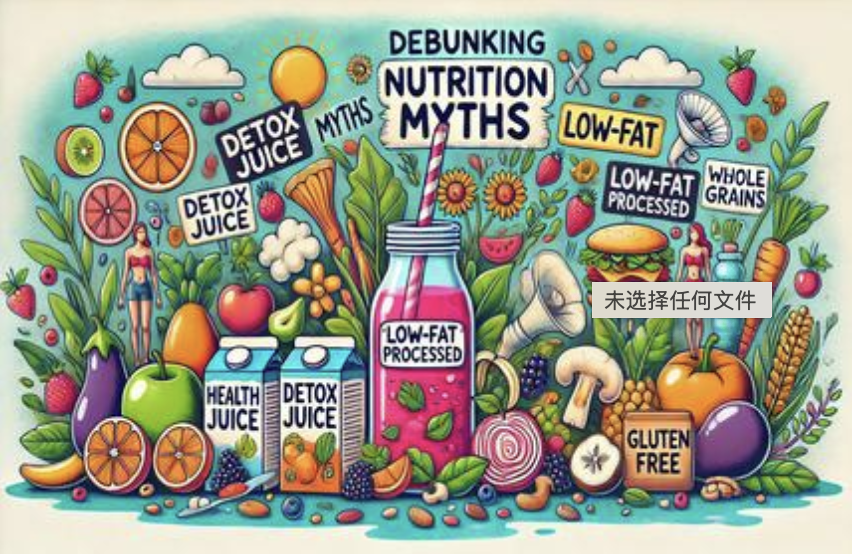
Consider those artificial sweeteners labeled as “zero-calorie” or snacks processed as “low-fat”; they typically do not provide the necessary fiber and protein needed to maintain a feeling of fullness, which can lead to increased sensations of hunger that may cause you to consume more food later. Additionally, certain of these substances might interfere with your body’s hormone regulation, hindering the ability to burn fat effectively, even if you diligently adhere to a low-calorie diet scheme.
Premium Meal Replacements: Nutrient Deficiencies
High-end meal replacement shakes and bars boast low caloric content but depend on artificial fillers. These offerings fall short in fiber and protein richness, failing to induce feelings of fullness. Consequently, your body reacts by elevated hunger hormones hours later, prompting excessive consumption of calorie-rich foods in later meals. As this pattern continues, metabolism slows down as the body adjusts to inadequate nutrition.
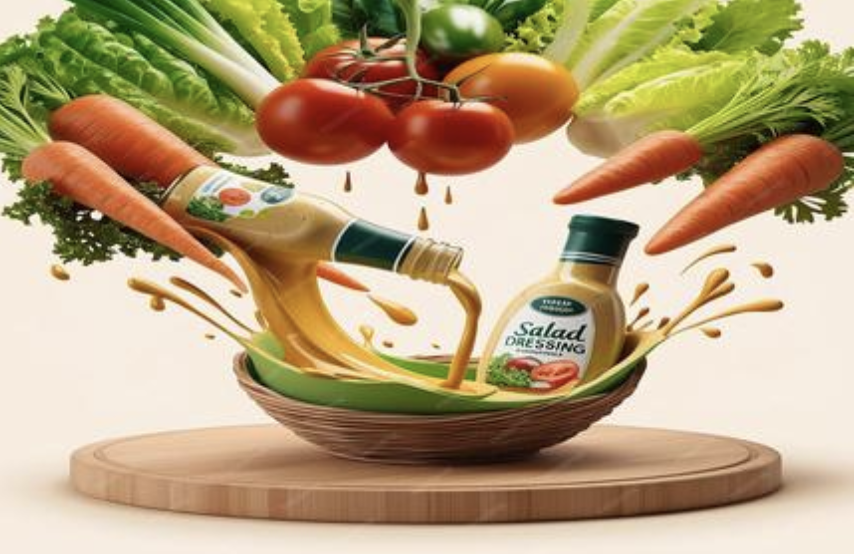
Upscale fat-free salad dressings substitute fat with processed sugars, synthetic sweeteners, and thickening agents. Although they contain fewer calories, these ingredients disrupt blood sugar control, leading to insulin surges that convert surplus energy into fat reserves—particularly around the waist. Just one serving may include more added sugar than a dessert, negating the salad’s health advantages.
Organic Low-Cal Snacks: Nutritional Void
Craft low-calorie snacks such as baked vegetable chips or air-popped popcorn frequently focus on volume rather than nutrition. They are digested swiftly, leaving you unsatisfied within half an hour. The compulsion to snack again results in a total calorie intake that surpasses a singular serving of a nutrient-rich, more calorically dense choice like nuts or cheese.
Sugar-Free Premium Beverages: Appetite Mismanagement
High-end sugar-free sodas, teas, and energy drinks utilize artificial sweeteners that muddle the hunger signals in the brain. Research indicates that these additives heighten desires for sweet, high-calorie options by altering gut microbiota and diminishing the body’s ability to detect fullness. Although they lack calories, they create a dependency cycle on sugar that promotes fat accumulation.
Frozen "Clean" Meals: Processing Issues
Gourmet frozen low-cal meals frequently contain concealed sodium and preservatives to prolong shelf life. Excess sodium leads to water retention, obscuring fat gain and causing bloating. What’s worse, the heavy processing depletes nutrients, leaving the body deprived of essential nutrients and more prone to storing fat as a defense against perceived scarcity.
Low-Calorie Alcohol: Metabolic Interference
High-end low-calorie wines, spirits, and cocktails completely halt fat metabolism. The body prioritizes metabolizing alcohol over fats and carbohydrates, which stops fat oxidation for hours. Even with reduced calorie counts, these beverages contribute to fat accumulation, especially when consumed with high-calorie mixers or late-night snacking prompted by alcohol’s appetite-enhancing effect.
For health-conscious individuals, moving away from a low-calorie fixation and concentrating on nutrition quality is essential. Choose whole, unprocessed foods—even if they have a higher calorie content—to maintain steady metabolism, control cravings, and prevent fat accumulation. Genuine fat reduction flourishes on balance, not deceitful labeling.