For numerous individuals, turning 35 and over signifies a reflective juncture—stagnant professional paths, evolving personal connections, and the burden of “unfulfilled expectations” that can trigger mental distress. Accomplished people not only endure these personal upheavals; they transform them by employing research-supported methods that fit their unique situations. This illustrates how to approach psychological hurdles after 35 with purpose and strength.
Narrative Reconstruction: Rewrite Your Story
Reaching 35 frequently provokes a reassessment of life that focuses on what is lacking. The primary method for effectively managing crises begins with narrative therapy: collaborating with mental health professionals to reinterpret “failures” as important growth experiences. For instance, changing careers is viewed not as a decline but as a “course correction.” Prompts for journaling like “What insights does my younger self lack?” assist in reshaping limiting narratives, with some participants experiencing a 30% increase in life satisfaction after 8 weeks of engagement in this practice.
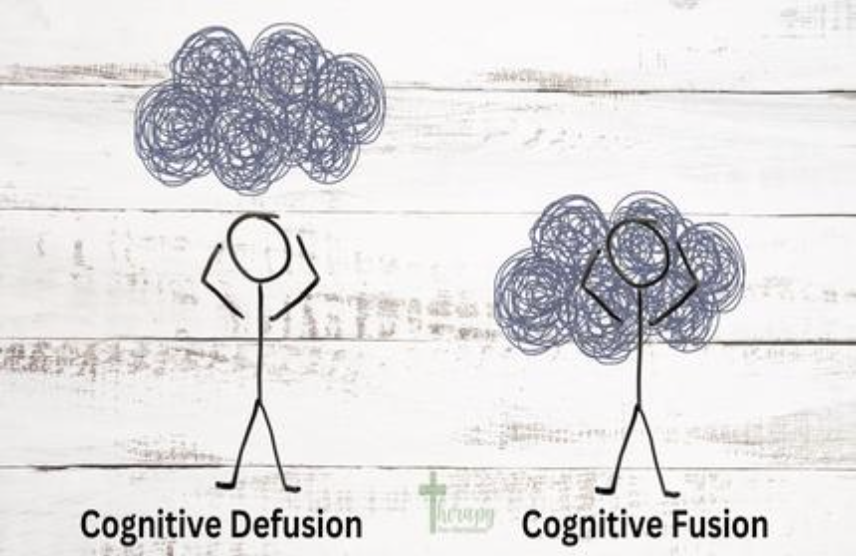
Overthinking the future or lamenting the past fuels crises. High achievers implement cognitive defusion strategies—categorizing thoughts as “mere notions” rather than truths. Resources like Headspace Pro provide structured activities in which individuals visualize thoughts as clouds drifting, thereby diminishing their emotional intensity. Combining this with mindfulness-based stress reduction (MBSR) training (typically 8-week sessions designed for professionals) results in a 25% decrease in anxiety and enhances clarity of decisions.
Values-Aligned Action: Reconnect With Purpose
A disconnection from fundamental values frequently lies at the heart of post-35 challenges. Upscale wellness retreats emphasizing values exploration incorporate activities such as equine therapy—bonding with horses uncovers hidden priorities—and strength-finding evaluations to pinpoint what is truly significant. Participants then establish “micro-actions” in accordance with these values: for example, a technology executive might initiate a mentorship program if “giving back” is essential, rekindling a sense of purpose and diminishing feelings of void.

Social Capital Curating: Quality Over Quantity
Shallow social networks intensify mental stress. Individuals aged 35 and above who have resources cultivate “purposeful communities”—collaborative groups of peers facing identical issues, or support circles involving licensed therapists. They also reduce the number of draining relationships, emphasizing deeper connections that provide emotional support. Research indicates that having 3 to 5 “trusted friends” decreases feelings of loneliness by 40%, a significant contributor to crises post-35.

Neurofeedback Training: Retrain the Brain
Sophisticated neurofeedback methods utilize EEG technology to adjust brainwave patterns associated with anxiety and overthinking. Exclusive clinics provide customized sessions where participants learn to amplify alpha waves (which promote calmness) and diminish beta waves (which bring overstimulation). Following 12 sessions, attendees note a 35% drop in brain activity linked to stress and enhanced emotional control—vital for addressing crisis situations without hasty reactions.
Existential Fitness: Embrace Life’s Transitions
Crises post-35 frequently present profound existential inquiries: “What comes next?” Existential coaching aids in redefining transitions as chances for growth. Techniques such as “visualizing one’s future self”—crafting vivid mental representations of a fulfilling five-year trajectory—lessen feelings of uncertainty. Certain clients also participate in legacy planning (for example, funding a personal project) to foster a sense of continuity, transforming existential worry into action driven by purpose.
Encountering a psychological crisis after 35 is not a sign of defeat—it serves as a prompt to refocus on what is truly important. For those prepared to engage in specific, research-supported approaches, this stage can transform into a pathway toward increased self-awareness, resilience, and personal satisfaction. It is not merely about sidestepping crises, but about mastering them to emerge even more capable.
